 English
 русский
 Español
Email us now!
Email us now!
Industry News
 2026.10.09
 Industry News
Cutting wood, trimming branches, or sizing construction materials often means moving between work areas and handling materials of different shapes. A corded tool can limit movement when power outlets are inconvenient, while a manual saw may require more time for repeated cuts. This is where the Battery Electric Saw has become a practical option for workshops, construction tasks, garden projects, and general material processing.
Without a power cord running back to an outlet, users can move the saw between workstations or outdoor locations with fewer restrictions. This can be helpful when cutting timber on a building site, preparing materials in a workshop, or working around a garden.
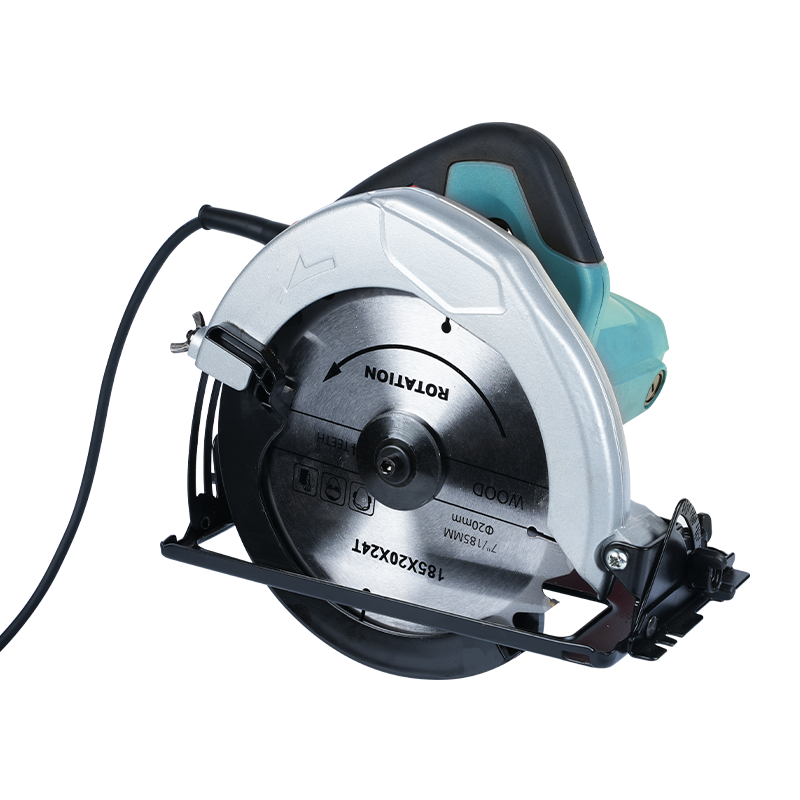
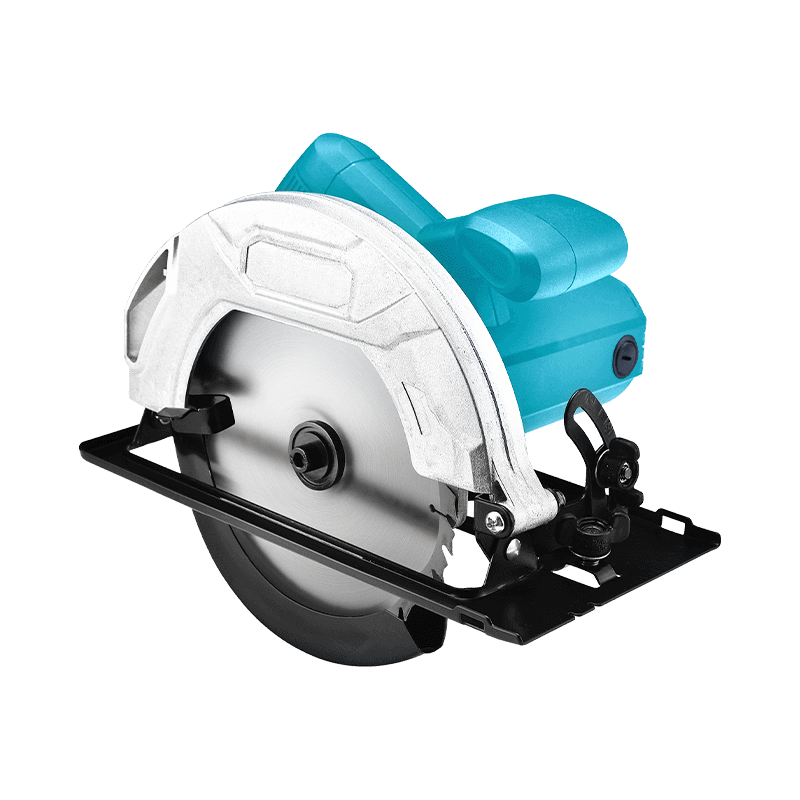
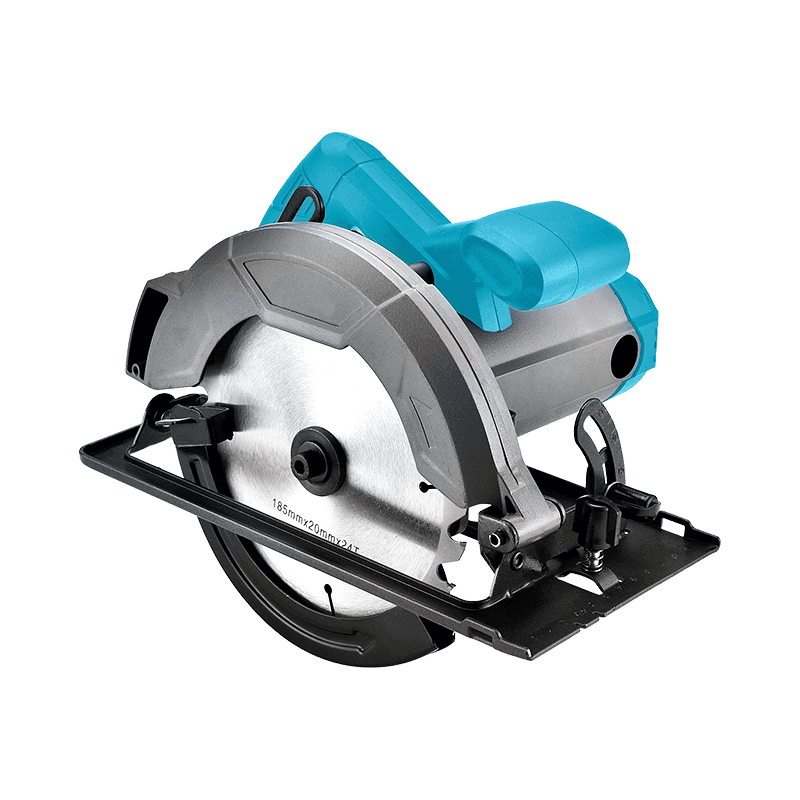
Different saw designs serve different purposes. A cordless circular saw is commonly used for straight cuts in boards and sheet materials. A reciprocating saw can handle demolition tasks and awkward cutting positions, while a compact pruning saw is designed for branches and garden work.
When selecting a Battery Electric Saw, users should first identify the materials and cutting patterns involved. The tool's intended application determines which blade type, cutting depth, and overall design are appropriate.
The blade is the point where tool design meets the material. Tooth shape, tooth count, blade length, and material composition influence how a saw cuts and which applications it can handle.
Circular saw blades are designed around factors such as diameter, tooth geometry, and the materials being cut. Reciprocating saw blades come in different lengths and tooth configurations for wood, metal, and mixed-material applications.
Using a blade suited to the material helps produce a more controlled cut and reduces unnecessary resistance. Blade compatibility also matters because the mounting system and permitted blade dimensions vary between tool models.
Before choosing a Battery Electric Saw, users should check the recommended blade specifications and confirm that suitable blades are available for their regular cutting tasks.
A saw may deliver sufficient cutting power but still feel awkward if its weight distribution does not suit the user or application. Tool weight becomes especially noticeable during overhead work, repeated cuts, or tasks that require the saw to be held away from the body.
Handle shape, grip texture, trigger placement, and balance can influence how comfortably the tool is controlled. Compact models may be easier to position in confined areas, while larger saws may provide the cutting capacity required for heavier materials.
Battery placement also affects balance. A battery mounted toward the rear can change how the tool feels compared with a design that distributes weight closer to the center.
For distributors and equipment suppliers, these handling details are useful when comparing models for different customer groups.
Cutting tools combine powered movement with sharp blades, making control an important part of their design. Features such as trigger locks, blade guards, electric brakes, and anti-kickback mechanisms may be available depending on the saw type and model.
The relevant features vary by design. A circular saw uses a blade guard to cover part of the rotating blade, while other saw configurations may use different protective arrangements.
Users should match the tool to the intended material, follow the manufacturer's operating instructions, secure the workpiece, and use suitable protective equipment. A tool's features support safe operation but do not replace correct handling practices.
No single saw configuration suits every material or working environment. Motor design, battery specifications, blade geometry, handling, and protective features all contribute to the overall cutting experience.
For hardware retailers, tool distributors, and equipment buyers, understanding these factors makes it easier to compare product categories and communicate their intended uses. Matching a Battery Electric Saw to the materials, cutting patterns, and working conditions involved provides a practical foundation for choosing the right tool.
Recommended Products
Contact Information
Mob: +86-13486952519
Whatsapp/wechat: +86-13486952519
E-mail: [email protected]
Add: Dawu Village, Huajie Town, Yongkang, Jinhua City, Zhejiang Province, China
Product
Contact Us!
Copyright © by Yongkang Zhongyuan Industrial & Trade Co. Ltd. Rights Reserved.

Curve Cutting Saw Factory