 English
 русский
 Español
Email us now!
Email us now!
Industry News
 2026.06.05
 Industry News
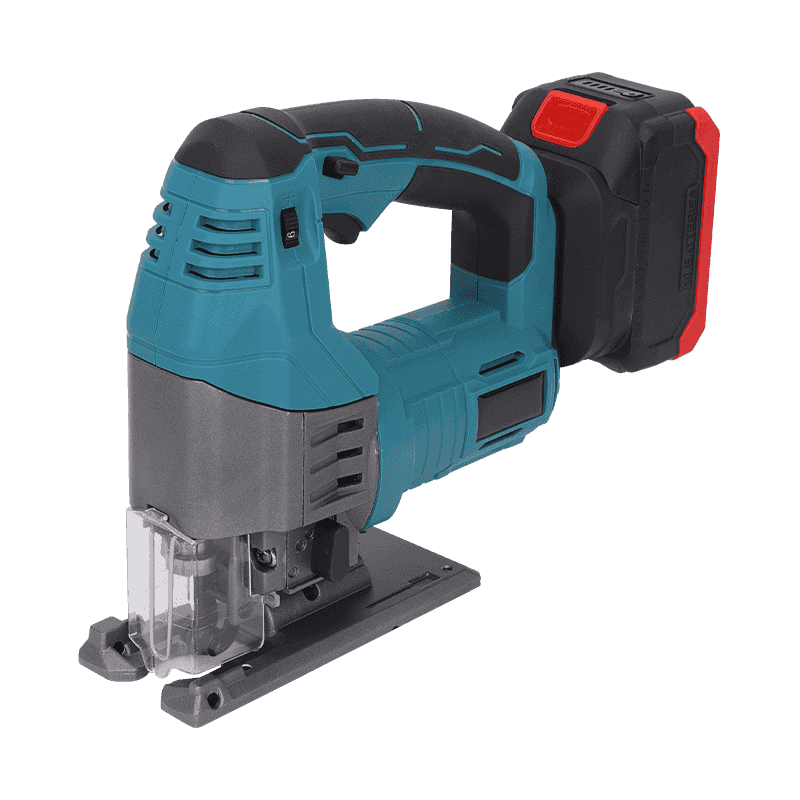
Curve saws serve as practical tools for creating curved cuts in various materials. These devices support a range of tasks in workshops and on job sites, allowing users to shape wood with accuracy for different purposes.
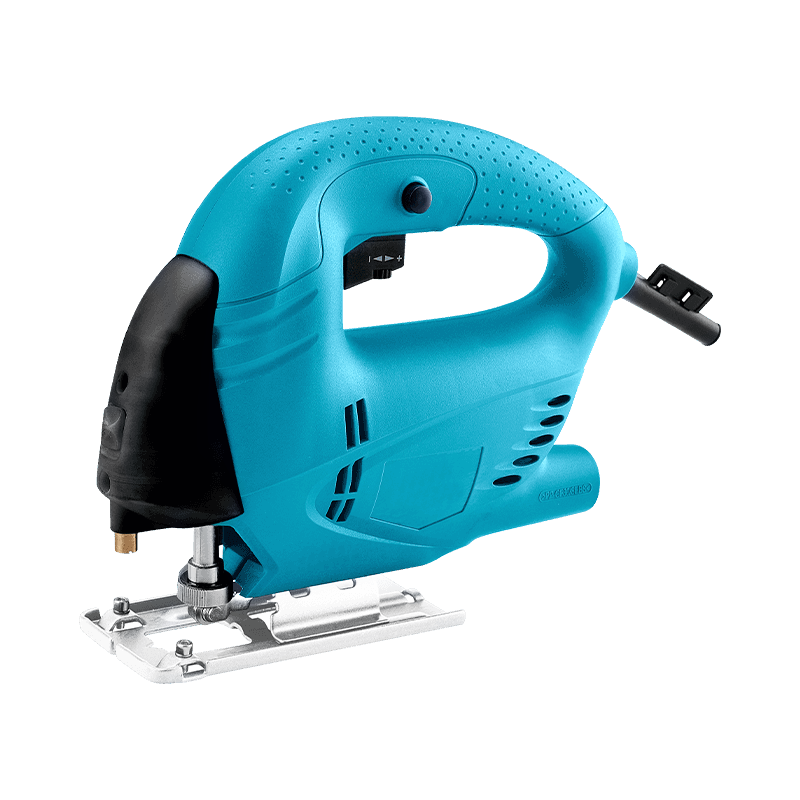
A curve saw has a narrow blade that moves back and forth, and that's really what makes it useful — you can steer it through bends and arcs without fighting the tool. Most models let you dial the speed up or down depending on what you're cutting, and swapping blades means the same saw handles wood one day and light metal or plastic the next. It's a tool built around giving the person holding it a reasonable amount of control, which matters a lot when the cut you're making isn't a straight line.
Many versions include ergonomic handles and base plates that provide stability. Users can select blades with different tooth counts depending on the material thickness and the type of cut required. This setup allows for both gentle arcs and tighter radii in projects.
Curve saws work effectively on softwoods like pine and hardwoods such as oak or maple. Blade choice plays a key part: finer teeth suit detailed work, while coarser options handle thicker stock. Users frequently practice on scrap pieces to determine the right settings for each job.
The tool also extends to non-wood materials in some cases, such as cutting shapes in plywood for prototypes or thin acrylic sheets for displays. Proper technique involves following marked lines closely and allowing the blade to perform the work at a consistent pace.
Operators start by securing the workpiece to prevent movement. Marking clear guidelines on the surface helps guide the cut. Many users employ a combination of freehand movement for broad curves and guided approaches with templates for repeated shapes.
Maintaining even pressure and adjusting speed according to the curve's tightness contributes to cleaner results. Breaks between sections allow for blade cooling and dust removal, supporting steady progress on larger items.
Curve saws complement table saws, routers, and sanders in a typical setup. After making the curved cut, sanding smooths edges, while routers can add profiles. This sequence supports complete project assembly from raw material to finished product.
In production environments, teams incorporate curve saws into workflows for components that demand flexibility beyond straight-line machinery. The tool's adaptability fits various scales of operation, from small batches to more extensive runs.
Standard procedures include wearing eye protection and ensuring a stable stance. Keeping hands clear of the blade path and using clamps for fixation reduces risks. Regular checks on cord condition and blade security contribute to reliable performance over time.
In construction, curve saws assist with framing details or custom millwork. Cabinet shops utilize them for producing fitted units with contoured features. Artistic installations and set design also draw on these capabilities for unique forms.
Across these areas, the focus remains on achieving functional and visually appropriate curves that meet project specifications.
Recommended Products
Contact Information
Mob: +86-13486952519
Whatsapp/wechat: +86-13486952519
E-mail: [email protected]
Add: Dawu Village, Huajie Town, Yongkang, Jinhua City, Zhejiang Province, China
Product
Contact Us!
Copyright © by Yongkang Zhongyuan Industrial & Trade Co. Ltd. Rights Reserved.

Curve Cutting Saw Factory