 English
 русский
 Español
Email us now!
Email us now!
Industry News
 2026.09.18
 Industry News
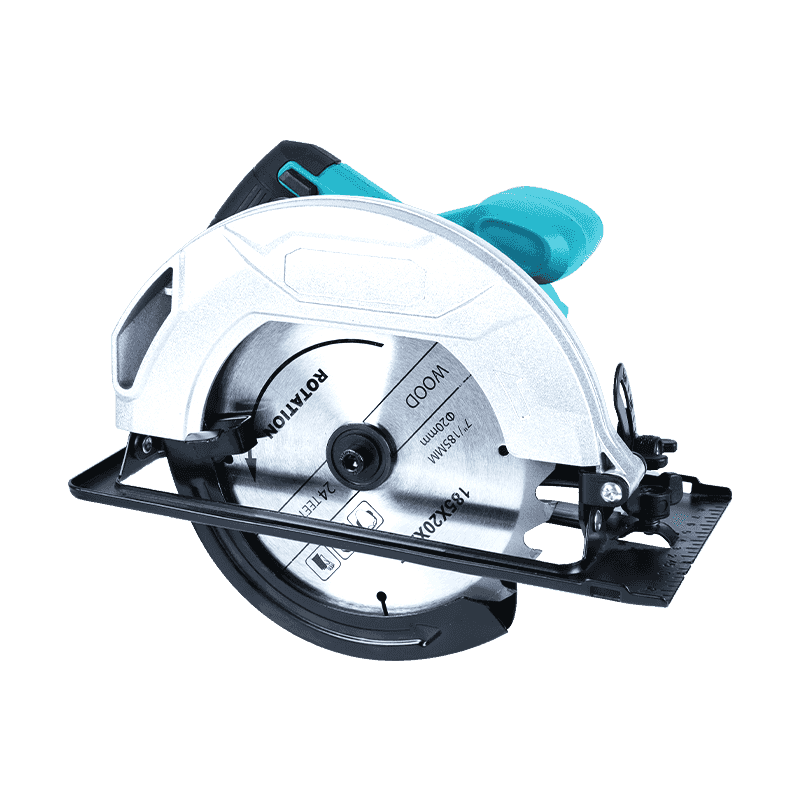
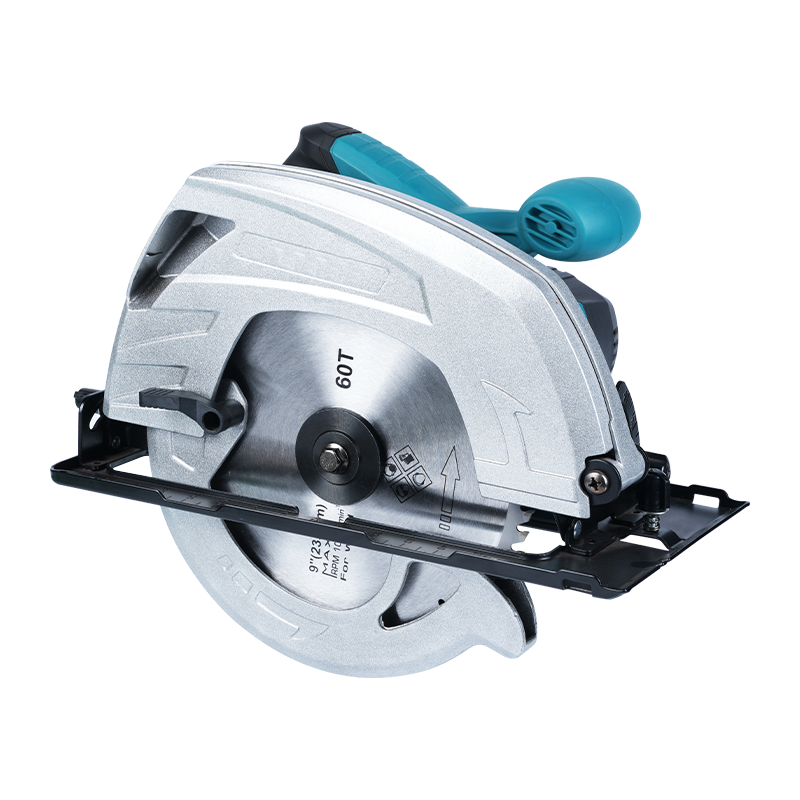
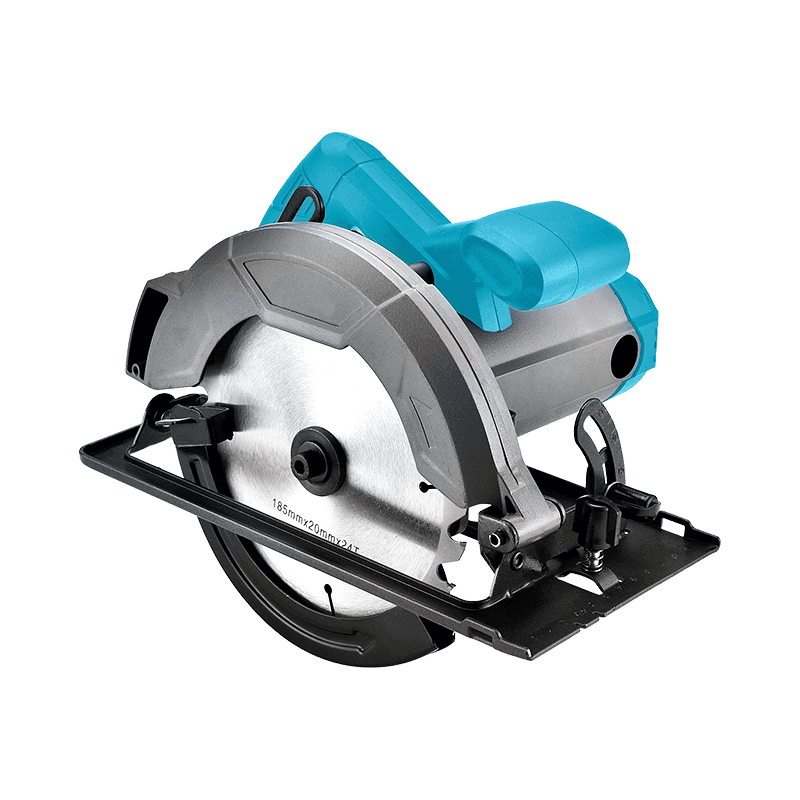
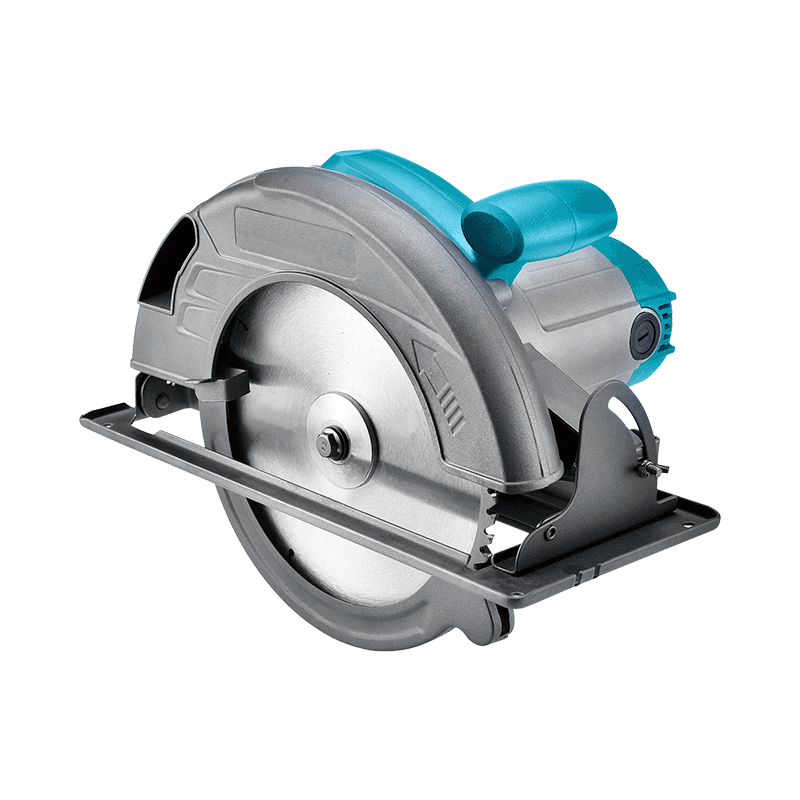
Not every cut lines up neatly with a flat surface. Corners, tight framing gaps, and material set at an incline all create situations where a standard straight-cutting saw struggles to get a clean line. That's the specific problem an angle circular saw is built to solve, offering a design that lets the blade approach material from a pivoted or adjustable position instead of forcing the workpiece to move instead.
For carpenters, metal fabricators, and general contractors, this flexibility often changes how a job gets planned. Rather than repositioning heavy material to match a saw's fixed cutting angle, the tool adjusts to the material. An angle circular saw shifts that burden away from the workpiece and onto the tool itself, which matters most in tight spaces where repositioning large panels or beams simply isn't practical.
The core mechanism behind an angle circular saw usually involves a pivoting head or adjustable base plate that lets the blade tilt relative to the material surface. This is different from a saw that only cuts straight down, since the angled approach opens up bevel cuts, mitred joints, and other non-perpendicular lines without needing a separate specialty tool for each cut type.
That adjustability tends to matter in framing work, where trim pieces and structural members rarely meet at simple right angles. An angle circular saw set to a specific degree can hold that angle consistently across multiple cuts, which helps keep a run of matching pieces uniform instead of relying on manual guesswork for each one.
Job sites involving roofing, trim carpentry, and metal ductwork are common places to find an angle circular saw in regular use, since all three trades depend heavily on angled joints rather than flat, square cuts. Fabrication shops working with sheet metal or piping also reach for this saw style when standard cuts won't produce the fit a project calls for.
A few situations tend to come up repeatedly when people explain why they reach for this tool over a standard model:
Outside of construction trades, hobbyist woodworkers building furniture with angled joints also make use of an angle circular saw, particularly for projects involving mitred corners or slanted panel edges that a table saw alone can't easily reproduce.
Working with an angled blade changes how the tool feels in hand compared to a straight-cutting saw. Balance shifts slightly depending on the angle set, and users often need a short adjustment period before cuts feel as steady as they would with a standard configuration. This isn't a flaw in the tool itself — it's simply a different motion pattern that takes some getting used to.
Grip design and base plate stability play a noticeable role here. A saw with a wider or better-shaped base tends to stay planted against the material more reliably while the blade works at an angle, reducing the chance of the tool sliding or catching mid-cut. Buyers comparing options for an angle circular saw often weigh base design and handle ergonomics alongside blade angle range, since a tool that's difficult to control undercuts the precision the angled cutting was supposed to deliver in the first place.
Recommended Products
Contact Information
Mob: +86-13486952519
Whatsapp/wechat: +86-13486952519
E-mail: [email protected]
Add: Dawu Village, Huajie Town, Yongkang, Jinhua City, Zhejiang Province, China
Product
Contact Us!
Copyright © by Yongkang Zhongyuan Industrial & Trade Co. Ltd. Rights Reserved.

Curve Cutting Saw Factory