 English
 русский
 Español
Email us now!
Email us now!
Industry News
 2026.09.11
 Industry News
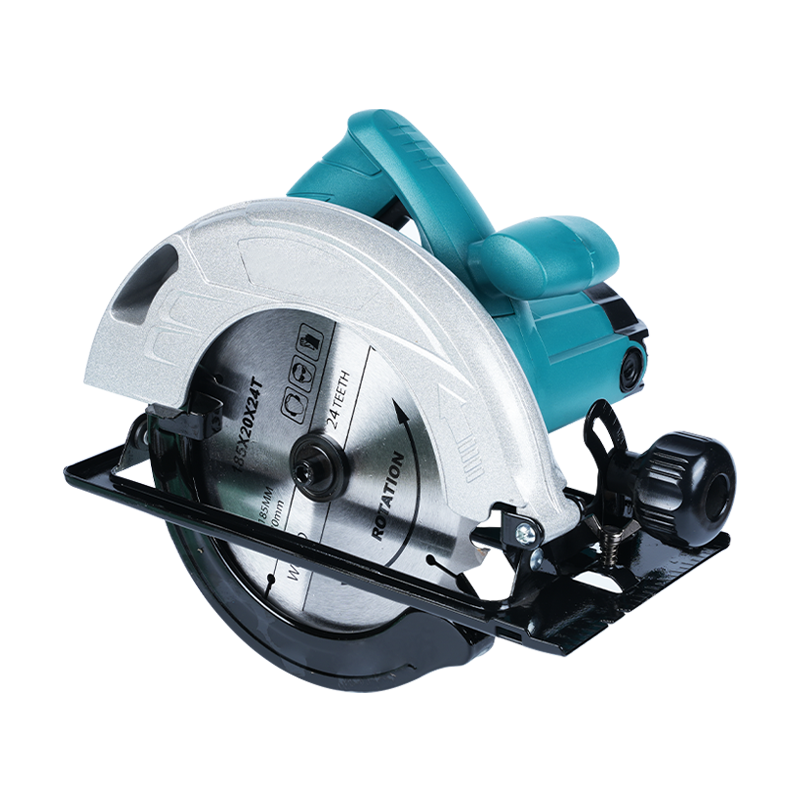
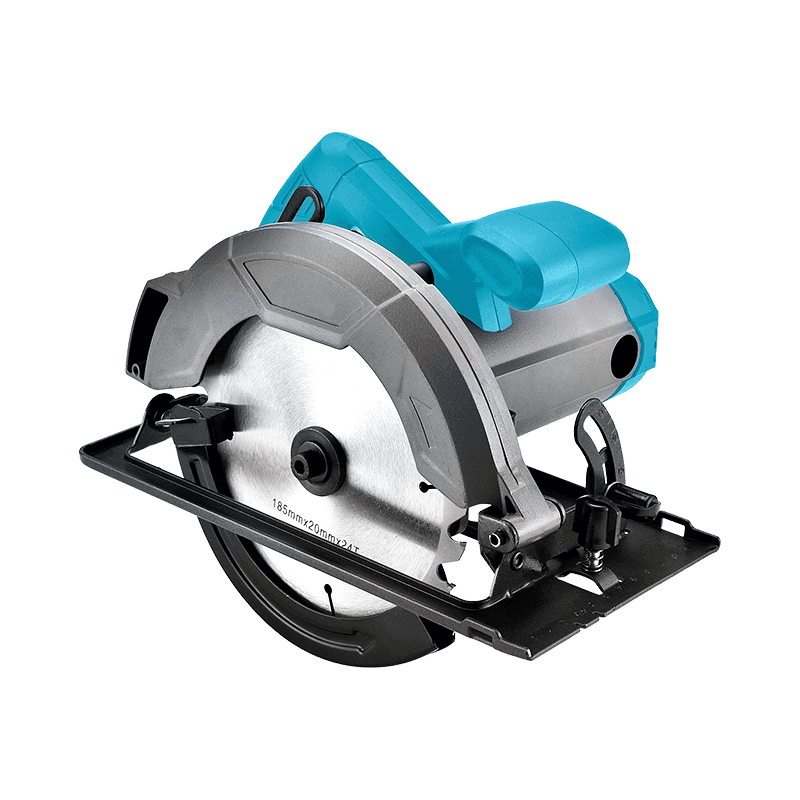
An electric circular saw works on a simple principle: a flat, round blade spins at high speed, and its sharp teeth bite through material as it passes. The user guides the tool along a marked line while the motor keeps the blade turning steadily.
Depth and angle adjustments add flexibility. A quick lever lets the blade cut shallow grooves or pass straight through a thick board. Tilting the base plate allows angled cuts for roofs, stairs, and decorative edges. These adjustments take seconds, yet they expand what the tool can do dramatically.
Shoppers choosing an electric circular saw usually face one early decision: corded or cordless. Corded models deliver steady power for long sessions and never need a charging break. They suit workshops and big jobs where an outlet sits nearby.
Cordless versions trade the cord for freedom of movement. Battery technology has improved steadily, and modern packs handle impressive workloads. They shine on job sites without power access, on ladders, and in yards where a trailing cord would tangle. Each style has loyal fans, and the right pick depends on where the work happens.
The blade, not the motor, often decides how a cut turns out. Different tooth counts suit different materials. Fine-tooth blades slice cleanly through plywood and paneling, leaving smooth edges that need little finishing. Coarser blades rip through soft lumber quickly, trading a little smoothness for speed.
Specialty blades exist for masonry, metal, and laminate flooring. Swapping blades takes only a moment, which means one saw can serve many materials across many projects. Smart builders keep a small blade collection ready rather than forcing one blade to do every job.
A few habits separate rough cuts from clean ones. Marking the cut line clearly gives the eye a target. Letting the blade reach full speed before touching the material prevents ragged edges. Moving at a steady pace — not too fast, not too slow — keeps the cut smooth and the motor happy.
Support matters as well. A board that vibrates or sags while cutting will produce rough edges and wandering lines. Experienced users prop both sides of the material or lay it across sawhorses so the blade passes through open air. Small setup steps like this pay off in every finished edge.
The user list stretches far beyond professional carpenters. Homeowners pull out an electric circular saw for deck repairs and fencing projects. Furniture makers use it to break down large sheets before finer work begins. Set builders in theaters rely on it for fast, accurate cuts behind the scenes.
Hobbyists appreciate how quickly it turns raw lumber into something useful. A single afternoon with this saw and a pile of boards can produce a garden bed, a workbench, or a set of shelves. Few tools reward beginners with visible results this quickly.
Decades after its introduction, the electric circular saw remains a fixture in workshops everywhere. Its blend of power, portability, and simple operation keeps new generations of builders reaching for it. Whether the project is a backyard fence or a full home renovation, this familiar tool stands ready to make the cut.
Recommended Products
Contact Information
Mob: +86-13486952519
Whatsapp/wechat: +86-13486952519
E-mail: [email protected]
Add: Dawu Village, Huajie Town, Yongkang, Jinhua City, Zhejiang Province, China
Product
Contact Us!
Copyright © by Yongkang Zhongyuan Industrial & Trade Co. Ltd. Rights Reserved.

Curve Cutting Saw Factory