 English
 русский
 Español
Email us now!
Email us now!
Industry News
 2026.05.01
 Industry News
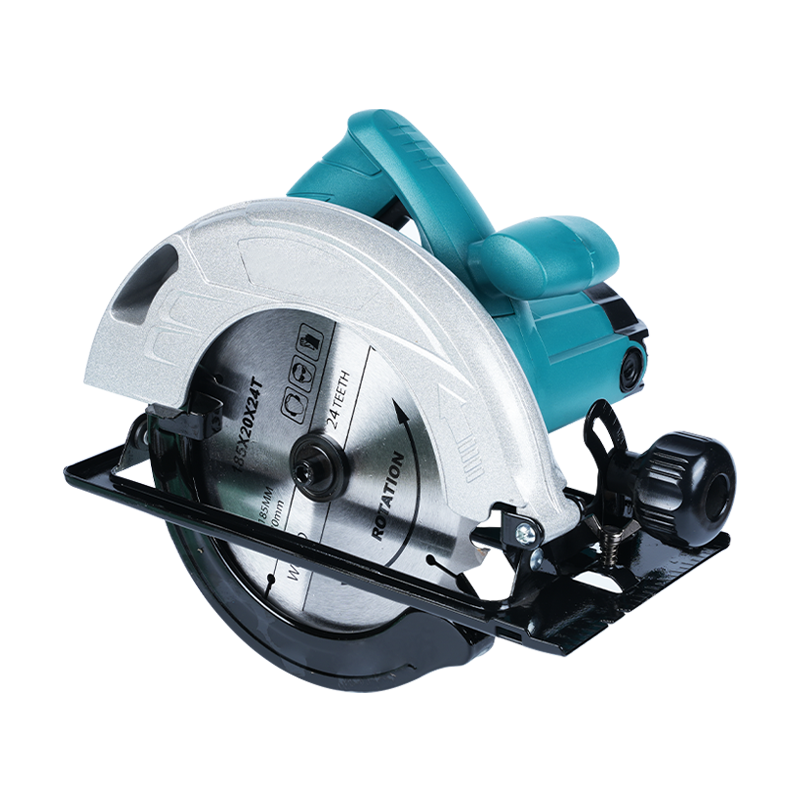
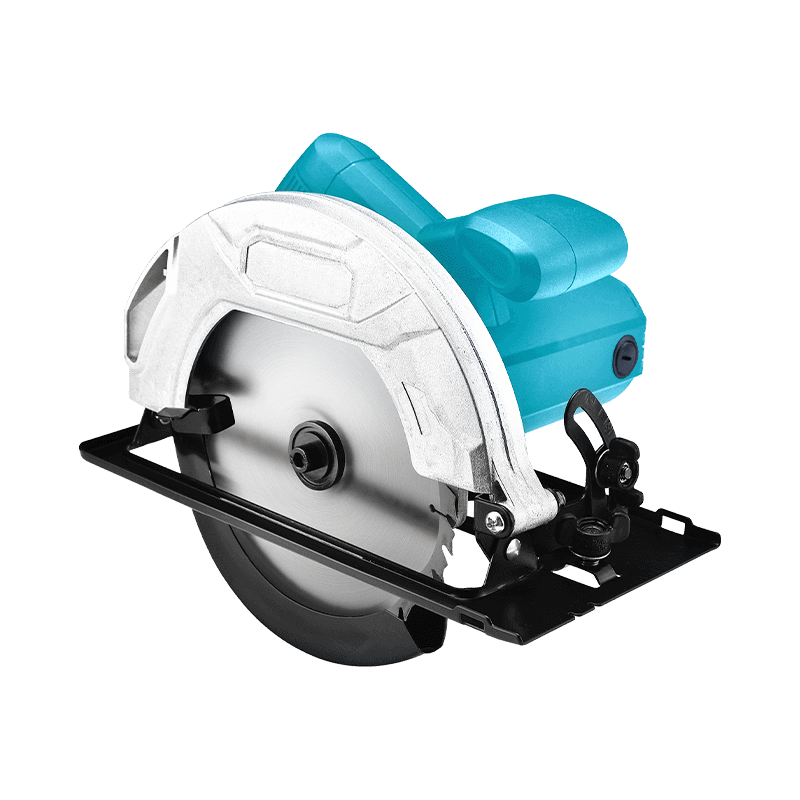
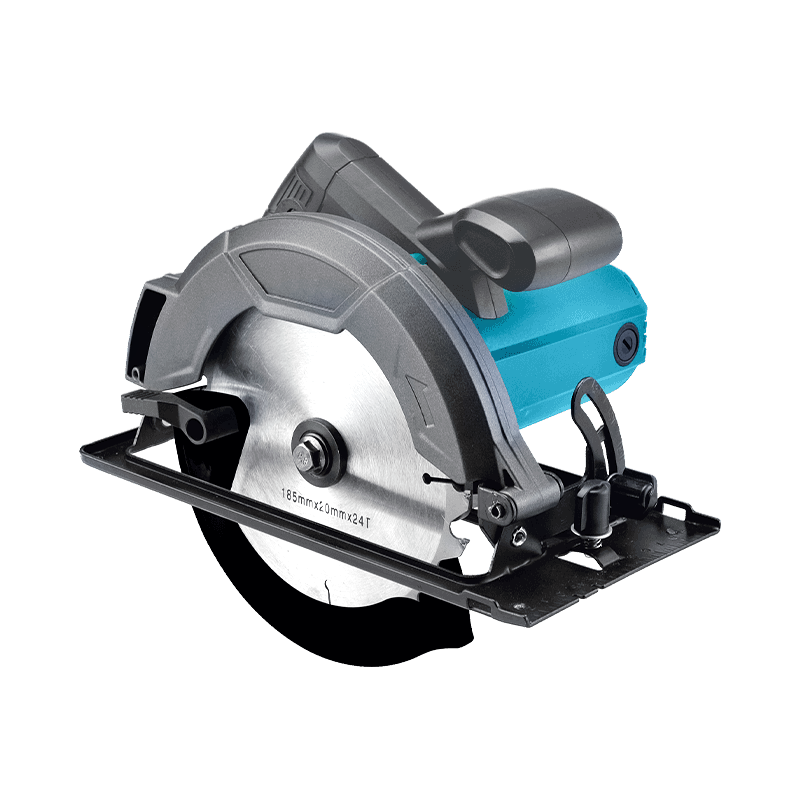
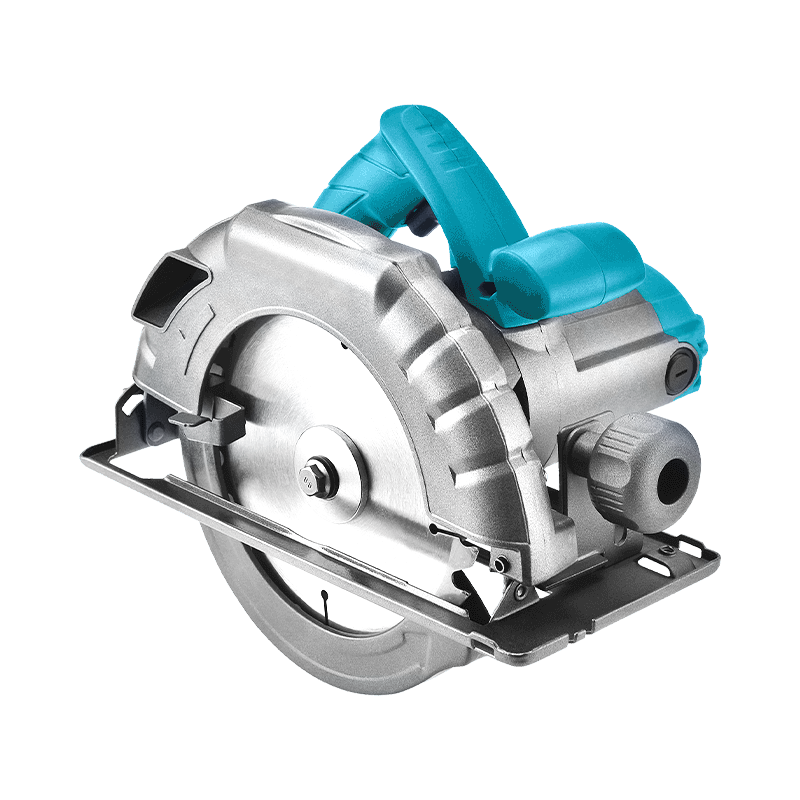
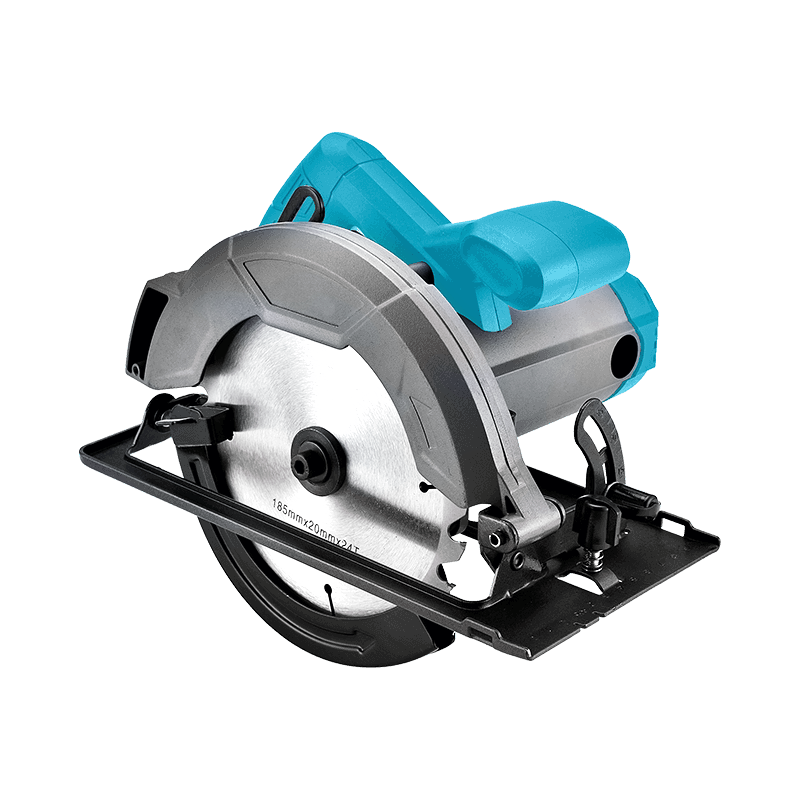
The angle circular saw has become a frequently discussed tool among woodworking professionals and home workshop users. This power tool combines a rotating toothed blade with an adjustable base plate, allowing the user to make cuts at various angles relative to the workpiece surface. Unlike a standard circular saw, the angle circular saw features a pivoting mechanism that changes the blade’s orientation, typically between 0 and 45 degrees. Many current models offer bevel capacities up to 50 degrees, though the 45‑degree setting remains the commonly used for everyday framing and trim work. The angle circular saw is designed for tasks that require precise angled cuts, such as installing crown molding, building roof rafters, or creating picture frames.
The cutting depth of an angle circular saw depends on the blade diameter and the set angle. When the blade is set at 90 degrees, a typical angle circular saw with a 184‑millimeter blade can cut through material up to 64 millimeters thick. At a 45‑degree bevel, the big cutting depth decreases to approximately 45 millimeters. Users need to check these specifications before selecting an angle circular saw for thicker stock. The tool’s motor power usually ranges from 1200 to 1800 watts for corded models, while battery‑powered versions operate on voltages between 18 and 36 volts. The no‑load speed of an angle circular saw commonly falls in the 4000 to 5500 RPM range, which provides sufficient blade rotation for clean cuts in softwood, hardwood, and manufactured panels.
Portability is a notable advantage of the angle circular saw. The tool’s weight ranges from 3.5 to 5.5 kilograms, making it suitable for transport between job sites. A comfortable grip handle with rubber overmolding reduces vibration during extended use. The power cord on corded models is usually 2 to 4 meters long, while battery‑powered angle circular saw units rely on removable battery packs that provide between 30 and 90 minutes of continuous operation per charge. Replacement blades for an angle circular saw are available in various tooth configurations, from 18‑tooth blades for ripping lumber to 60‑tooth blades for fine crosscuts and veneered panels.
Proper maintenance of an angle circular saw includes regular cleaning of the blade guard and base plate. Sawdust accumulation can interfere with the bevel adjustment mechanism over time. Users should inspect the power cord for damage before each use and check that the blade is tightened securely. The angle circular saw should be stored in a dry environment to prevent rust on the blade and base plate. When selecting an angle circular saw, buyers consider factors such as bevel range, cutting depth, motor power, and weight. The tool remains a standard item in many workshop inventories, valued for its ability to produce consistent angled cuts without requiring a separate table saw or miter saw setup. For construction workers, carpenters, and hobbyists, the angle circular saw serves as a practical solution for jobs where precision and angle control are necessary.
Recommended Products
Contact Information
Mob: +86-13486952519
Whatsapp/wechat: +86-13486952519
E-mail: [email protected]
Add: Dawu Village, Huajie Town, Yongkang, Jinhua City, Zhejiang Province, China
Product
Contact Us!
Copyright © by Yongkang Zhongyuan Industrial & Trade Co. Ltd. Rights Reserved.

Curve Cutting Saw Factory