 English
 русский
 Español
Email us now!
Email us now!
Industry News
 2026.08.21
 Industry News
Distributors supplying hardware stores, trade contractors, and industrial equipment dealers have kept steady order volumes moving through warehouses stocked with power tools products, a category broad enough to cover everything from handheld drills to stationary shop equipment. What ties the category together isn't a single product type but a shared set of buyer questions around motor output, battery compatibility, and how a tool holds up under repeated commercial use rather than occasional home projects.
The split between corded and cordless options shapes a large share of sourcing decisions in this category. Corded power tools products still hold a place in workshops and fixed job sites where consistent power output matters more than mobility, since there's no battery to monitor or recharge mid-task. Cordless options have gained ground steadily among contractors moving between job sites, trading some raw power output for the flexibility of not being tethered to an outlet.
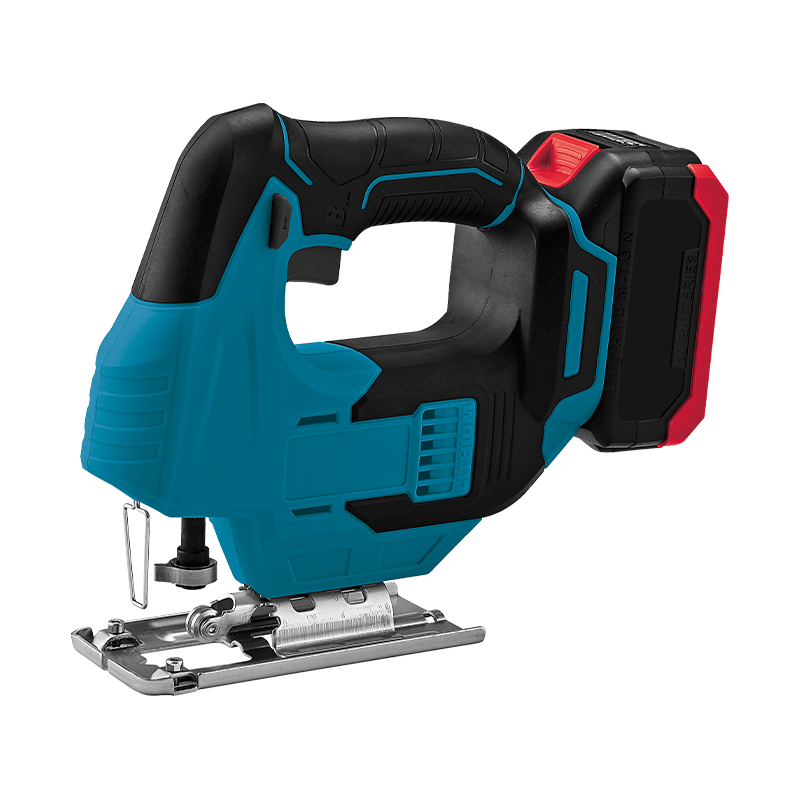
Battery platform compatibility has become one of the more consistent questions buyers raise when sourcing cordless power tools products. A contractor who has already invested in one battery system tends to stick with tools built around that same platform, since running multiple incompatible battery types across a crew adds cost and confusion in the field. Distributors sourcing for trade accounts often prioritize suppliers offering a wide tool lineup within a single battery platform for exactly this reason.
Motor construction affects both performance and expected service life, and it's one of the first specs buyers ask about when comparing power tools products from different suppliers. Brushed motors remain common in lower-cost tool lines, offering straightforward construction and easier repair, while brushless motors run cooler, last longer under heavy use, and pull less energy from a battery for the same output. That efficiency difference matters more to commercial buyers running tools daily than to buyers purchasing for occasional project use.
A handful of specifications come up repeatedly when procurement teams compare power tools products across supplier catalogs:
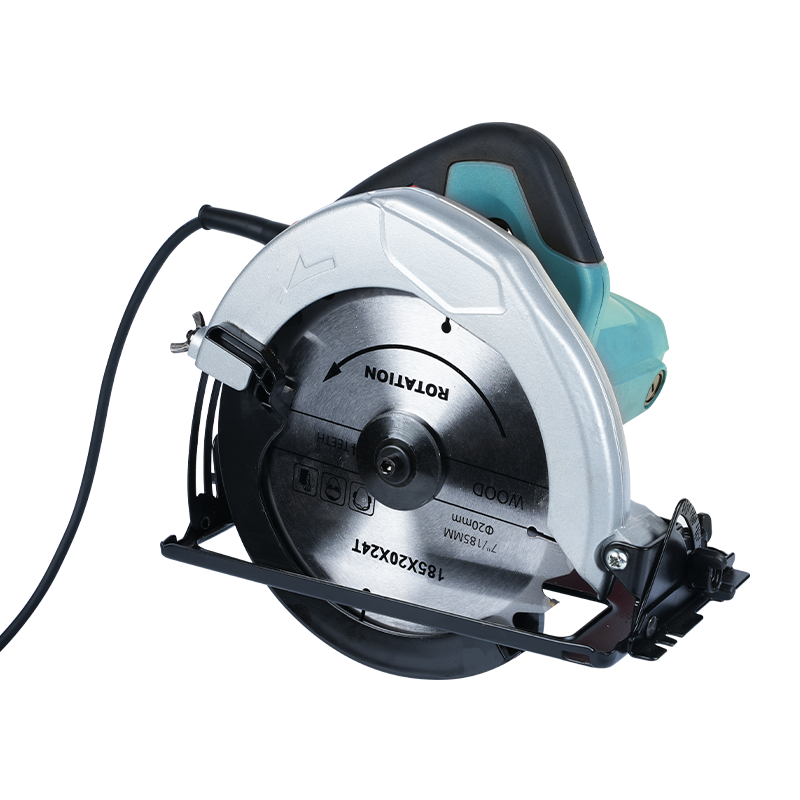
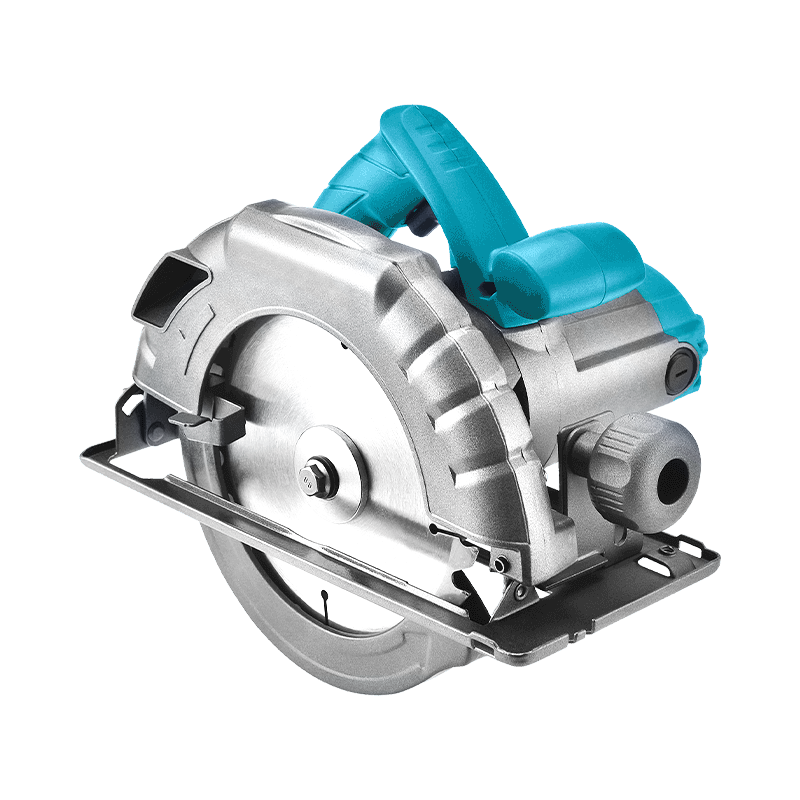
Power tools products cover such a wide range of applications that wholesale orders rarely stay within one narrow tool type. A distributor supplying construction contractors typically needs drills, impact drivers, circular saws, and reciprocating saws within the same order, while one supplying woodworking shops leans toward routers, planers, and orbital sanders instead. Metalworking and fabrication accounts add angle grinders and cutoff tools into the mix, each with its own set of spec requirements around RPM range and disc compatibility.
Because application needs vary so widely by trade, distributors sourcing power tools products often request assortments organized by end-use category rather than ordering tool types individually. Recurring application groupings include:
Recommended Products
Contact Information
Mob: +86-13486952519
Whatsapp/wechat: +86-13486952519
E-mail: [email protected]
Add: Dawu Village, Huajie Town, Yongkang, Jinhua City, Zhejiang Province, China
Product
Contact Us!
Copyright © by Yongkang Zhongyuan Industrial & Trade Co. Ltd. Rights Reserved.

Curve Cutting Saw Factory