 English
 русский
 Español
Email us now!
Email us now!
Industry News
 2026.06.26
 Industry News
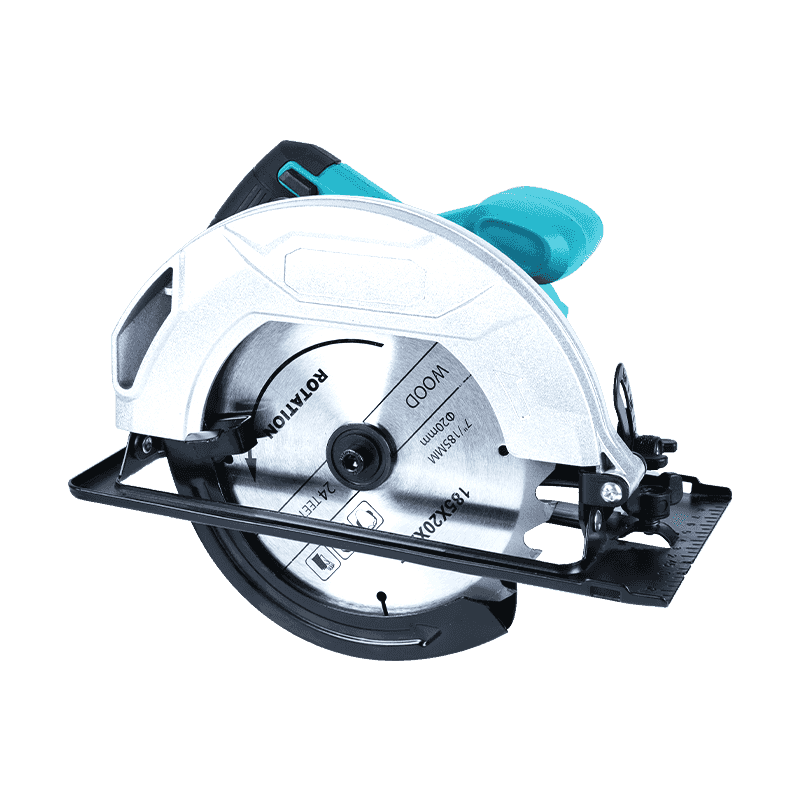
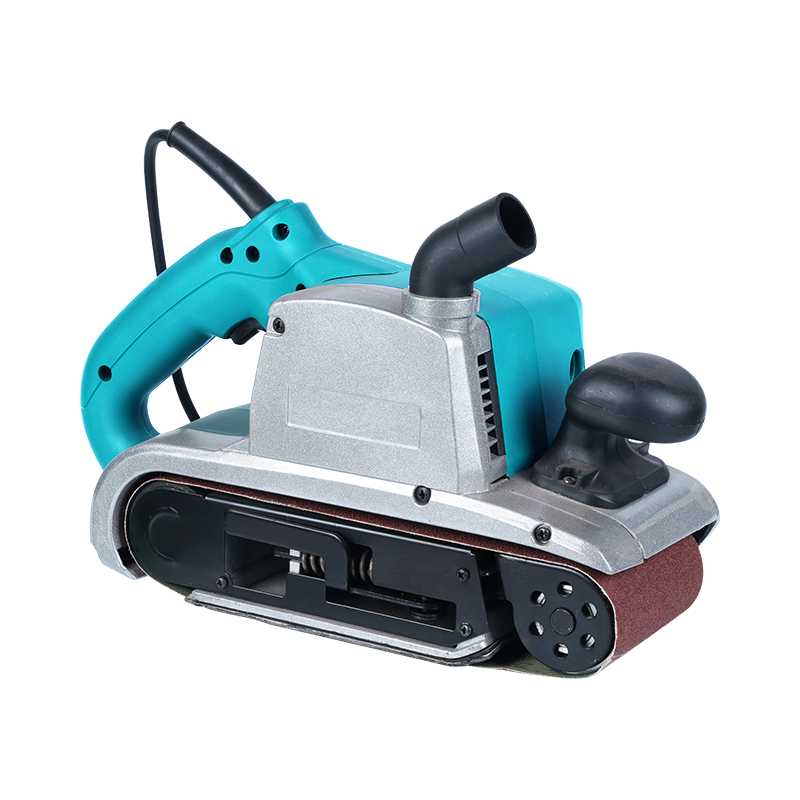
Power tools products are devices that use an external power source – such as electricity, batteries, or compressed air – to perform work. Unlike hand tools that rely solely on muscle power, these tools use motors or engines to move, cut, drill, shape, or fasten materials. Common examples include drills, circular saws, angle grinders, sanders, and impact wrenches.
The main advantage is speed. A power drill can make a hole in seconds, while a manual screwdriver would take much longer. This efficiency makes power tools products useful for construction, woodworking, metalworking, and even home repairs.
Corded tools plug into a wall outlet. They provide continuous power without worrying about battery life. These tools are often used for heavy-duty applications where the tool runs for long periods. However, the cord can limit movement and create trip hazards.
Cordless tools run on rechargeable batteries. Over the years, improvements in lithium-ion battery technology have made cordless tools much more capable. A modern cordless drill can handle many jobs that once required a corded model. The freedom to work anywhere – even on a roof or in a remote shed – is a clear advantage. On the other hand, batteries need recharging, and different brands use different battery systems.
Imagine assembling a piece of flat-pack furniture. Using a manual screwdriver, you might spend twenty minutes turning screws. With a power screwdriver or a drill with a screwdriver bit, the same task could take five minutes. That is the time-saving appeal of power tools products.
For larger projects, such as building a deck or installing drywall, the difference is even larger. A power saw cuts through lumber in seconds. A power sander smooths a surface in minutes instead of hours. By reducing physical effort and time, these tools allow users to complete more work in a day.
Manufacturers pay attention to how a tool feels in the hand. Rubberized grips reduce vibration and improve hold. Adjustable handles allow different holding positions. Lightweight materials – like reinforced plastics and magnesium – lower the tool’s weight without sacrificing strength.
Another helpful feature is the LED light on many modern drills and saws. It illuminates the work area, making it easier to see what you are doing in dim spaces. Battery indicators show remaining charge, so you are not caught off guard.
Brushless motors have become common in mid-range and higher-end power tools products. These motors run more efficiently, provide longer runtime per charge, and have fewer parts that wear out. The result is a tool that stays useful for many years with regular use.
Yes, but the key is using the correct accessory. A drill with a wood bit works well for lumber but may struggle with steel. Switching to a high-speed steel (HSS) drill bit solves that. Similarly, a saw blade designed for wood will cut cleanly through softwood but could overheat or dull quickly on metal. Metal-cutting blades have different tooth geometry and materials.
Many power tools products come with adjustable speed settings. Lower speeds are suitable for driving screws or cutting metal; higher speeds work for drilling wood or sanding. Matching the speed and accessory to the material improves results and extends the life of both the tool and the accessory.
Recommended Products
Contact Information
Mob: +86-13486952519
Whatsapp/wechat: +86-13486952519
E-mail: [email protected]
Add: Dawu Village, Huajie Town, Yongkang, Jinhua City, Zhejiang Province, China
Product
Contact Us!
Copyright © by Yongkang Zhongyuan Industrial & Trade Co. Ltd. Rights Reserved.

Curve Cutting Saw Factory