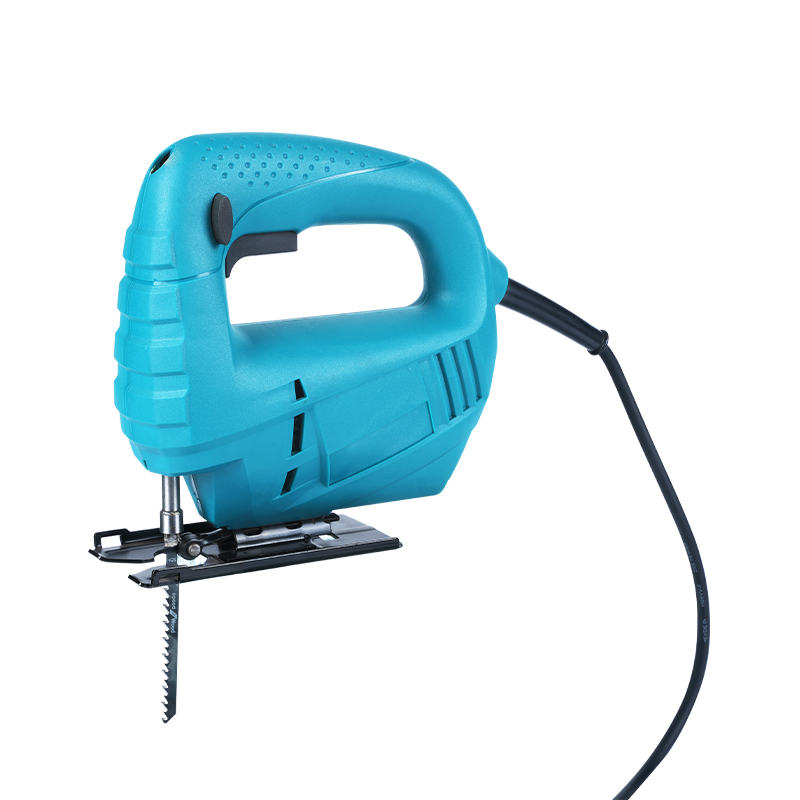
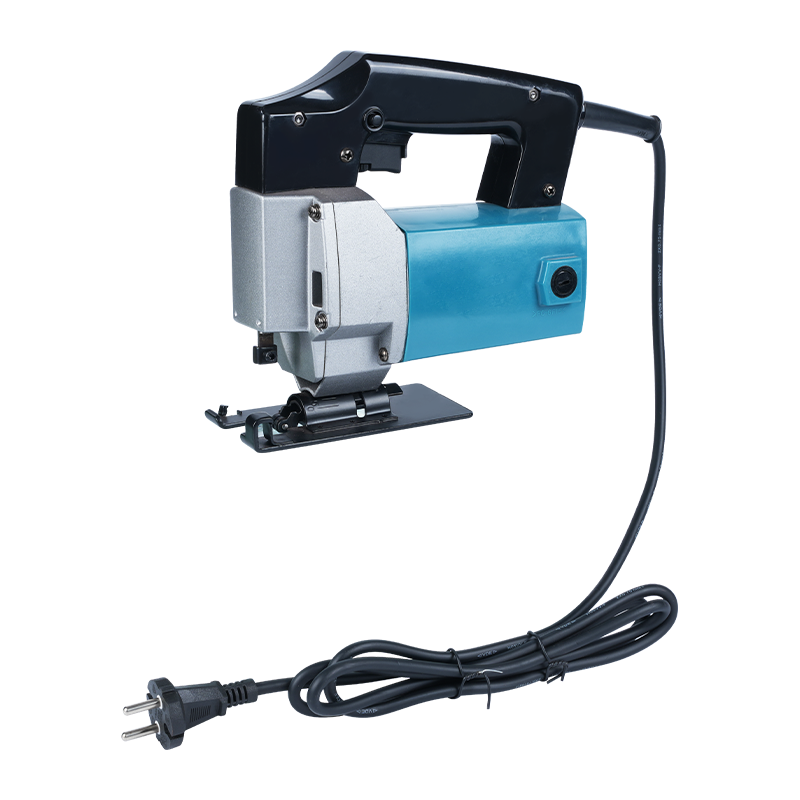
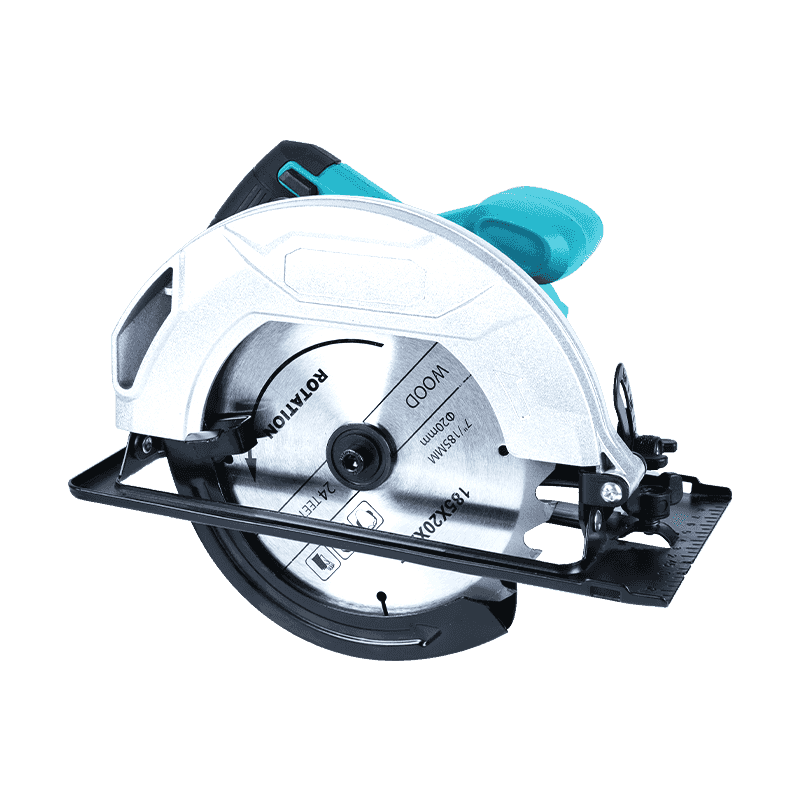
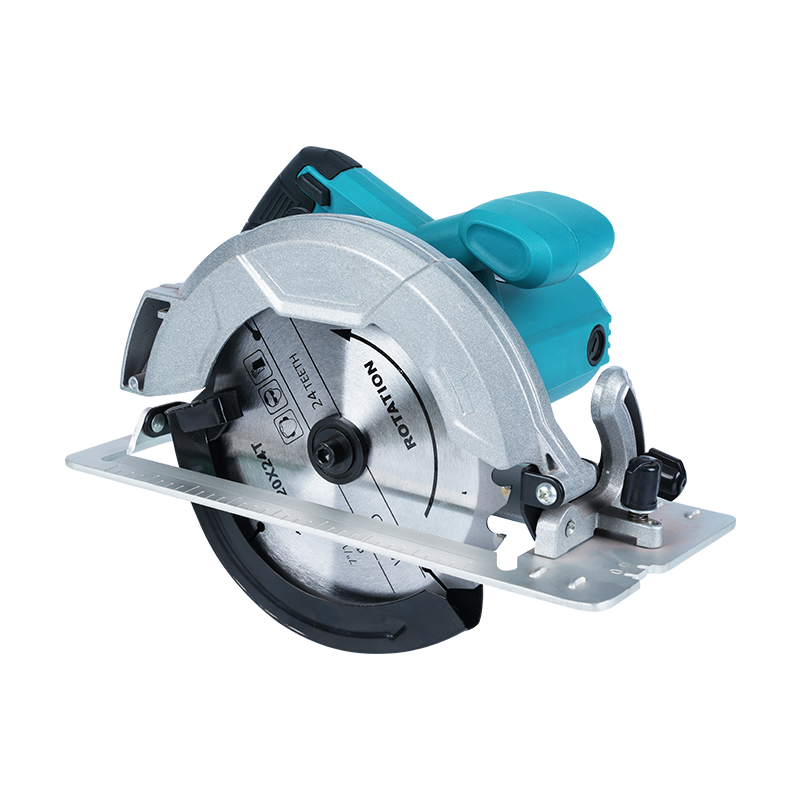
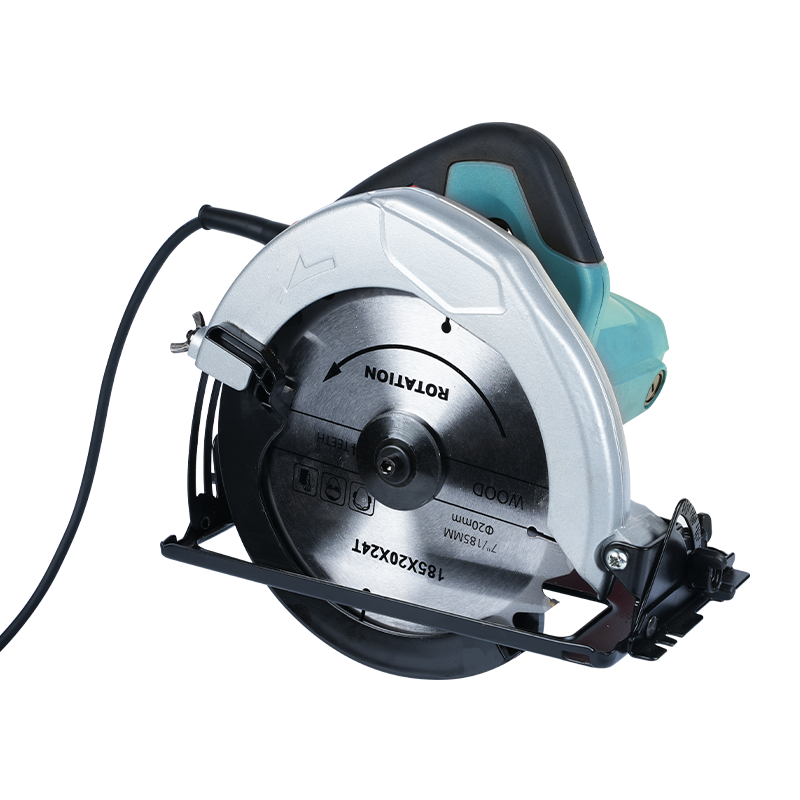
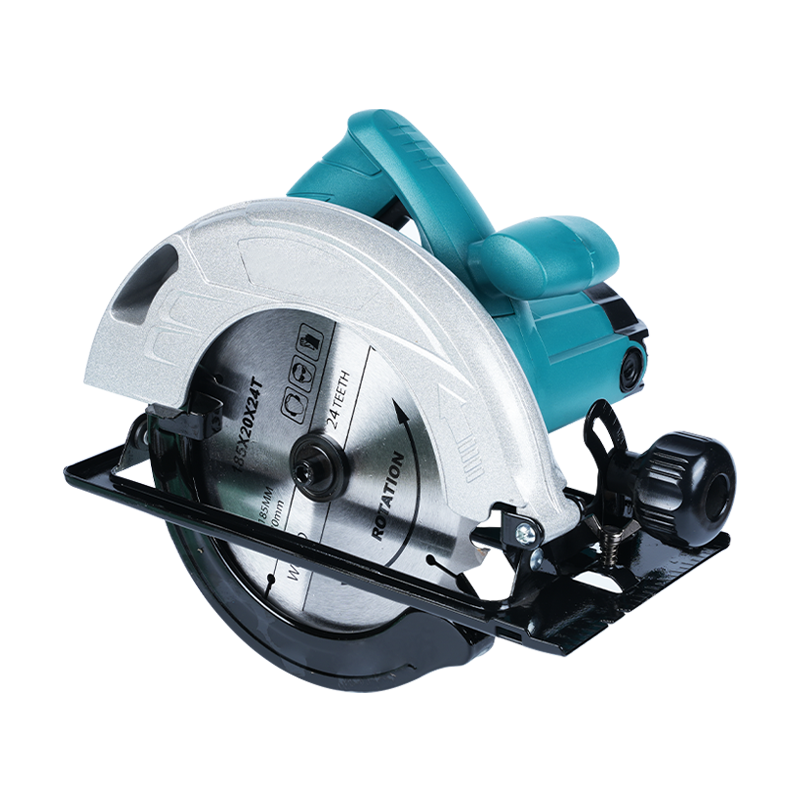
Power tools are essential tools designed to make various tasks easier and more efficient. They come in a wide range of categories, including drills, saws, sanders, and grinders, each serving specific functions in construction, woodworking, metalworking, and DIY projects. Powered by electricity or batteries, these tools offer increased speed and precision compared to manual tools.
The Versatility of Industrial Reciprocating Saws
Industrial reciprocating saws are versatile cutting tools widely used in construction, demolition, and metalworking industries. These tools are designed for heavy-duty applications, featuring robust motors and durable blades that can handle a variety of materials, including wood, metal, and plastic.
The saw operates through a back-and-forth motion, allowing it to cut through materials quickly and efficiently. This design is particularly advantageous for making intricate cuts or working in tight spaces where traditional saws may be less effective. Additionally, many industrial reciprocating saws offer adjustable speed settings, enabling users to match the tool's performance to the material being cut.
One of the key benefits of industrial reciprocating saws is their portability. Many models are lightweight and can be powered by electricity or batteries, allowing for use in remote locations or areas without easy access to power outlets. The ergonomic design of these tools also contributes to user comfort, reducing fatigue during prolonged use.
Maintenance is essential to keep reciprocating saws functioning ideally. Regularly checking the blades for wear and ensuring the motor is clean will extend the tool's lifespan. Users should also familiarize themselves with safety features, such as blade guards and trigger locks, to enhance safety during operation.
Industrial reciprocating saws are invaluable tools in various industries, offering versatility, efficiency, and ease of use. Their ability to handle tough materials and perform precise cuts makes them a preferred choice for professionals and DIY enthusiasts alike.
Exploring the Applications of Reciprocating Saws
Reciprocating saws are increasingly popular in various industrial applications due to their unique design and functionality. These saws are particularly effective for demolition, renovation, and maintenance tasks, providing a powerful cutting solution for professionals across different sectors.
One of the primary advantages of reciprocating saws is their ability to cut through a wide range of materials. Whether dealing with wood, metal, or plastic, these tools can be equipped with various blades designed for specific cutting tasks. This adaptability allows users to switch between different projects without needing multiple tools, saving both time and effort.
In construction and demolition, reciprocating saws are ideal for making quick, rough cuts. They are often used to remove old structures, cut pipes, and trim lumber. Their compact size and portability make them suitable for tight spaces, allowing users to navigate around obstacles effectively.
Another important aspect of reciprocating saws is their safety features. Many models come equipped with blade guards and anti-vibration systems to enhance user safety and comfort. Proper handling and adherence to safety guidelines can significantly reduce the risk of accidents during operation.
The ease of blade replacement is also a notable benefit, as users can quickly change blades to suit their cutting needs. This feature is particularly advantageous in fast-paced work environments, where efficiency is crucial.
Reciprocating saws are essential tools in many industrial settings, offering versatility, safety, and ease of use. Their capability to perform a variety of cutting tasks makes them an indispensable asset for professionals.
 English
 русский
 Español